
Description
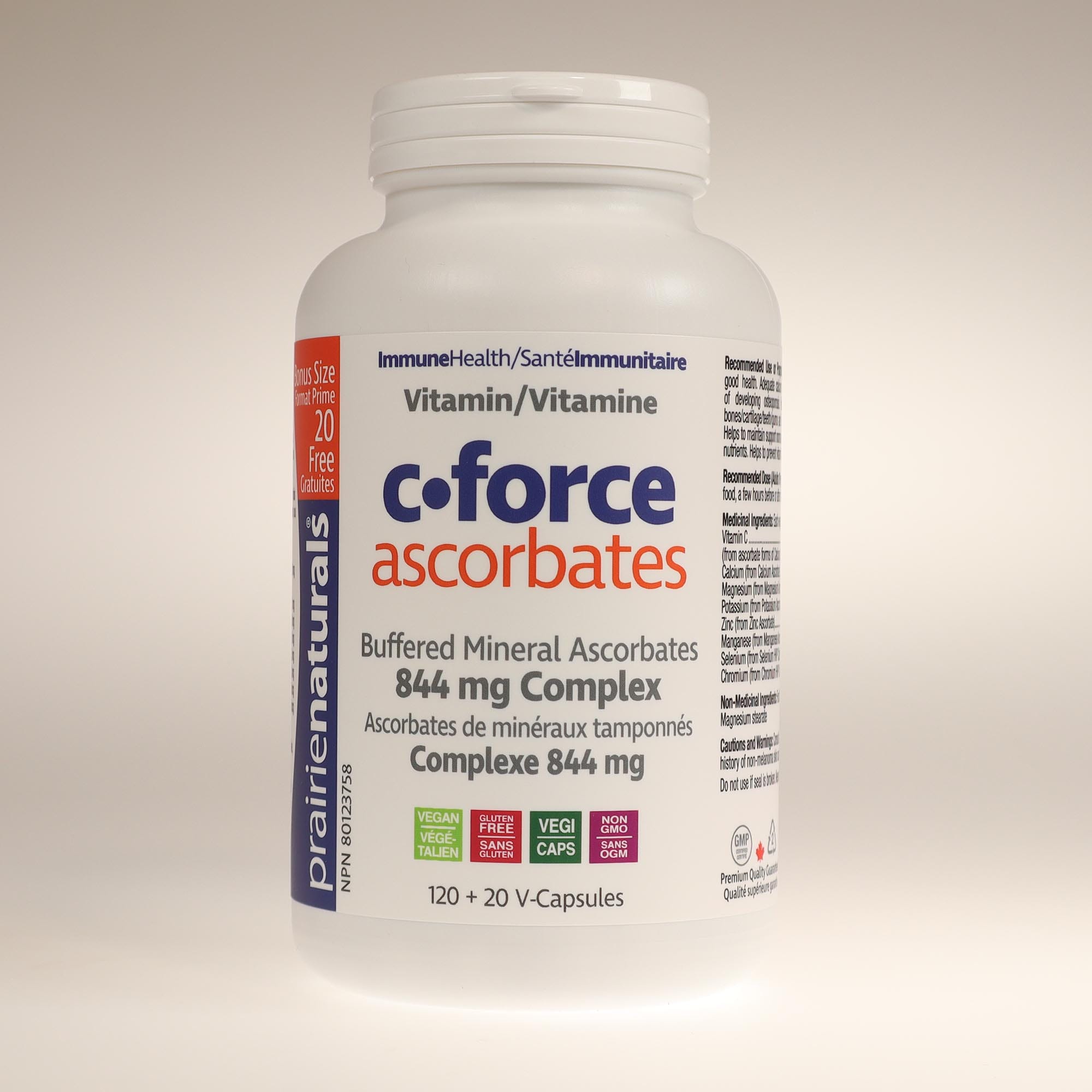
Vitamin C is so vital that the body actively concentrates it in tissues with demanding metabolic, neurological, hormonal, detoxifying, and antioxidant needs, including the brain, eyes, adrenal and pituitary glands, and leukocytes. It’s so interesting that most mammals except primates and guinea pigs are able to produce vitamin C in their livers, and production increases during times of stress (Hooper et al, 2019). This gives us a clue as to its importance. Another clue of its importance lies in the observation that 75% of critically ill patients have plasma levels of vitamin C that are abnormally low (Carr et al, 2017). So vitamin C is very important, and since we cannot produce it, we must get it from fresh foods and supplements.
This familiar vitamin is also essential for collagen production and connective tissue formation, wound healing, sports performance, boosting iron absorption, development and maintenance of bones and cartilage, supporting cardiovascular health, reducing histamine levels in allergic reactions, and for the health of the mouth, gums, and teeth.
Aren’t all vitamin C’s the same?
Vitamin C is known as ascorbic acid. As the name suggests, it is an acid, and as such can irritate the stomach, and can even wear away dental enamel and irritate the bladder with excessively acidic urine. If vitamin C is joined to an alkaline mineral, it’s known as a mineral ascorbate, or a buffered form of vitamin C, as its acidity is buffered by the mineral. The end result is a vitamin C that’s gentler on the digestive tract, and less likely to cause problems for teeth or with the urinary tract.
Is buffered vitamin C more bioavailable?
It’s not been shown consistently that buffered forms of vitamin C are better absorbed and utilized, although a 2024 paper found evidence that ingestion of 500 mg of Calcium Ascorbate (vitamin C buffered with calcium) DID increase plasma levels of the oxidized form of vitamin C (dehydroascorbic acid, aka DHA) which is produced after the vitamin C has donated electrons (Dickerson et al, 2024). Researchers also found increased neutrophil functionality (a type of white blood cell responsible for cleaning up bacteria and fungi, among other things) during the first 8 hours of the study, increased natural killer cells, and other evidences suggesting greater volume distribution and clearance from the blood (Dickerson et al, 2024). In short, there is evidence that buffered forms are better in ways beyond being less acidic. The other consideration is compliance: if your stomach isn’t irritated by the vitamin C you’re taking, you’re more likely to take it consistently. Plus there is the added benefit of 7 helpful minerals in this formula, which each come with their own benefits.
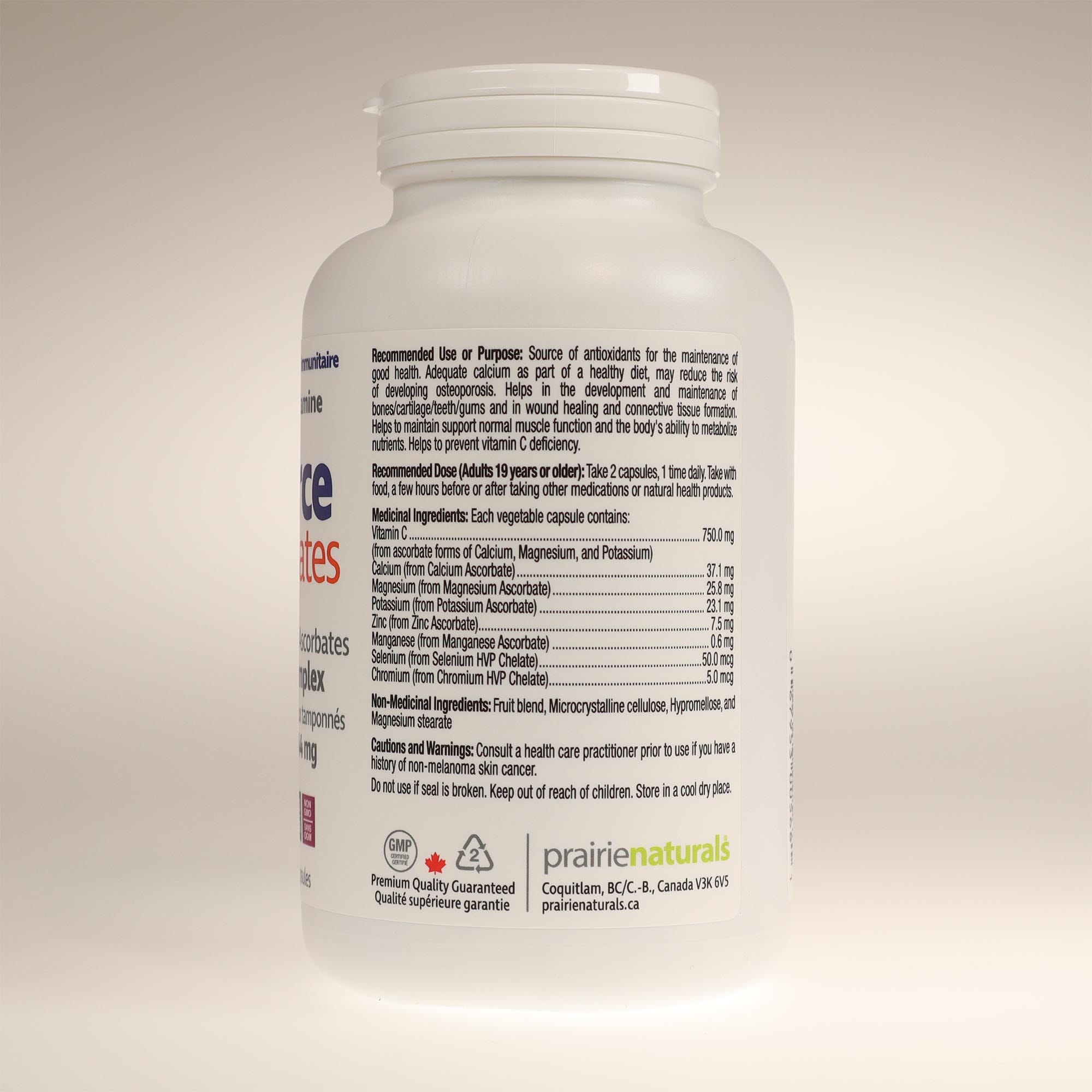
Ingredients per capsule:
- Vitamin C – 750 mg, from ascorbate forms of calcium, magnesium, and potassium)
- Calcium (from Calcium Ascorbate) – 37.1 mg
- Magnesium (from Magnesium Ascorbate) – 25.8 mg
- Potassium (from Potassium Ascorbate) – 23.1 mg
- Zinc (from Zinc Ascorbate) – 7.5 mg
- Manganese (from Manganese Ascorbate) – 0.6 mg
- Selenium (from Selenium HVP chelate) – 50 mcg
- Chromium (from Chromium HVP chelate) – 5 mcg
Non-medicinal ingredients: Fruit blend, microcrystalline cellulose, hypromellose, magnesium stearate.
Recommended Dosage:
Adults: Take 2 capsules once daily with food or as directed by a health care practitioner. Take a few hours before or after taking other medication or supplements (as calcium can bind with certain drugs and supplements).
Suitable for vegetarians.


Debra Y. –
The best vitamin C that I have ever used! It is so much better than any vitamin C that I have purchased before!! I love it!!