Product Description
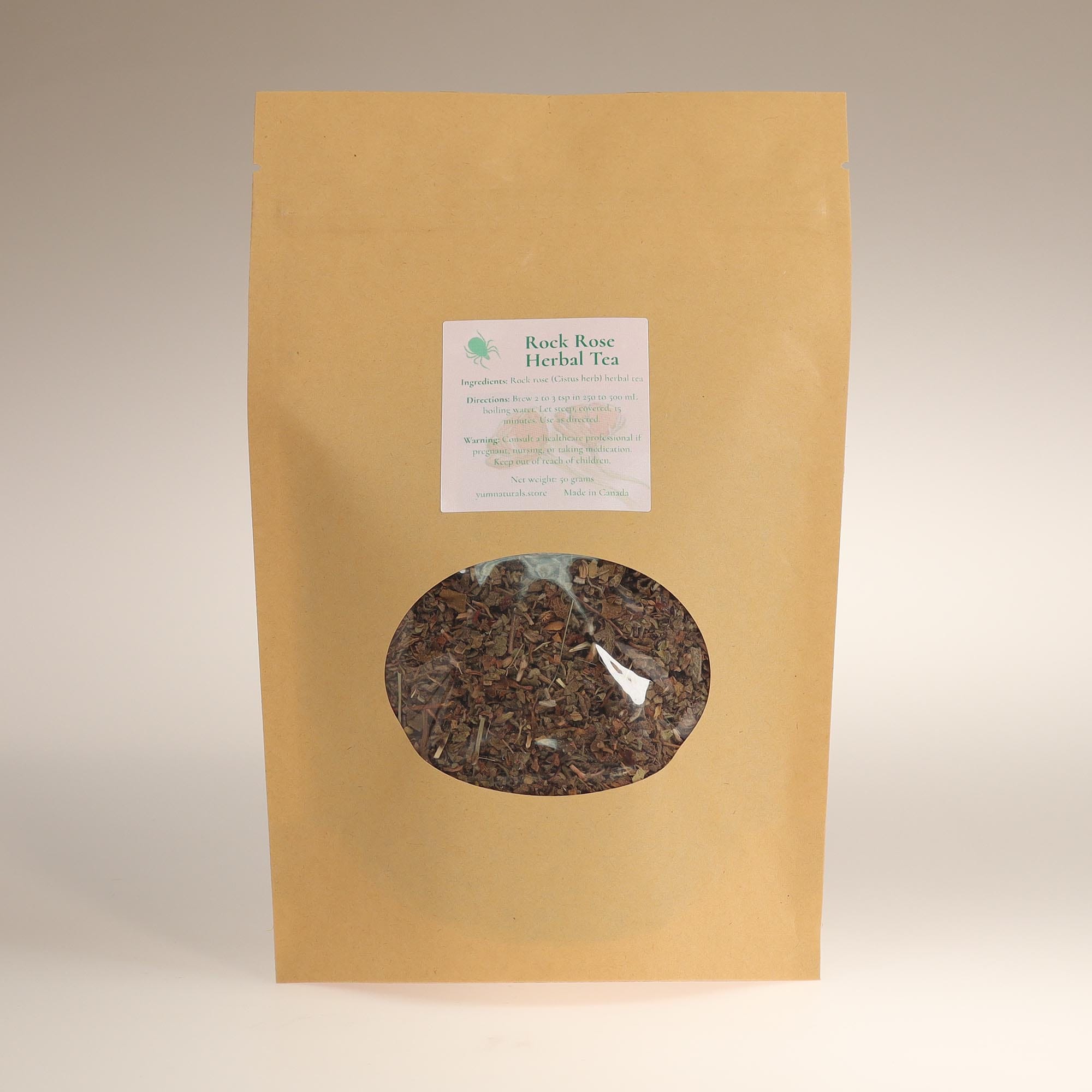
Rock Rose (Cistus incanus) is an amazing herb with a wide range of uses. It is rich in polyphenols, tannins, and aromatic compounds that appear to support tissue integrity, reduce oxidative stress, assist drainage pathways, and help the body manage accumulated waste products.
One of the primary ways terrain practitioners view Rock Rose is through its affinity for mucous membranes. The tannins have an astringent action, meaning they can tone and tighten tissues in the mouth (great mouthwash for oral health), throat, digestive tract, and respiratory passages. When tissues become chronically irritated, swollen, or congested, cistus helps restore normal tissue tone and halt the need for mucus production.
The very high polyphenol content is also significant. Polyphenols act as antioxidants and may help protect tissues from damage caused by ongoing inflammation and toxic burden. Polyphenols also reduce DMSO odour. Chronic inflammation is a consequence of accumulated waste products, nutritional deficiencies, poor elimination, and/or environmental toxicants. Rock Rose helps to mobilize this processes. Brew long (decoction) or repeatedly (2 to 3 times) to extract the most polyphenols from the herb.
You can use Rock Rose as part of any cleansing and drainage protocols. It supports the body’s natural elimination processes through the kidneys, lymphatic system, skin, and mucous membranes. It can be useful during periods of increased detoxification when the body is mobilizing stored waste products.
How to brew as a tea for general use:
- Combine 2 teaspoons of Rock Rose Tea per 250 ml cup of water in a small pot that has a lid
- Add water to the tea; bring to a boil briefly, then turn heat down and allow to simmer, covered, for 5 minutes.
- Strain and enjoy
- If not using immediately, refrigerate and use within 3 days
Dosages for Pets:
Rock Rose tea can be added to your pet’s wellness routine to support healthy tissues, normal inflammatory responses, antioxidant activity, and overall terrain health. Rich in polyphenols and aromatic plant compounds, Rock Rose has traditionally been used to support the skin, coat, digestive tract, oral tissues, and the body’s natural cleansing processes.
To prepare for pets, add 1 tablespoon of dried Rock Rose herb to 2 cups (500 mL) of hot water and steep for 15 to 20 minutes. Allow to cool completely before serving.
- For cats, offer 1 to 2 teaspoons (5 to 10 mL) once or twice daily. This can be given directly by syringe, mixed into wet food, or added to drinking water.
- For small dogs under 20 lbs (9 kg), offer 1 to 2 tablespoons (15 to 30 mL) once or twice daily.
- For medium dogs between 20 and 50 lbs (9 to 23 kg), offer ¼ cup (60 mL) once or twice daily.
- For large dogs over 50 lbs (23 kg), offer ½ cup (120 mL) once or twice daily.
What about ticks?
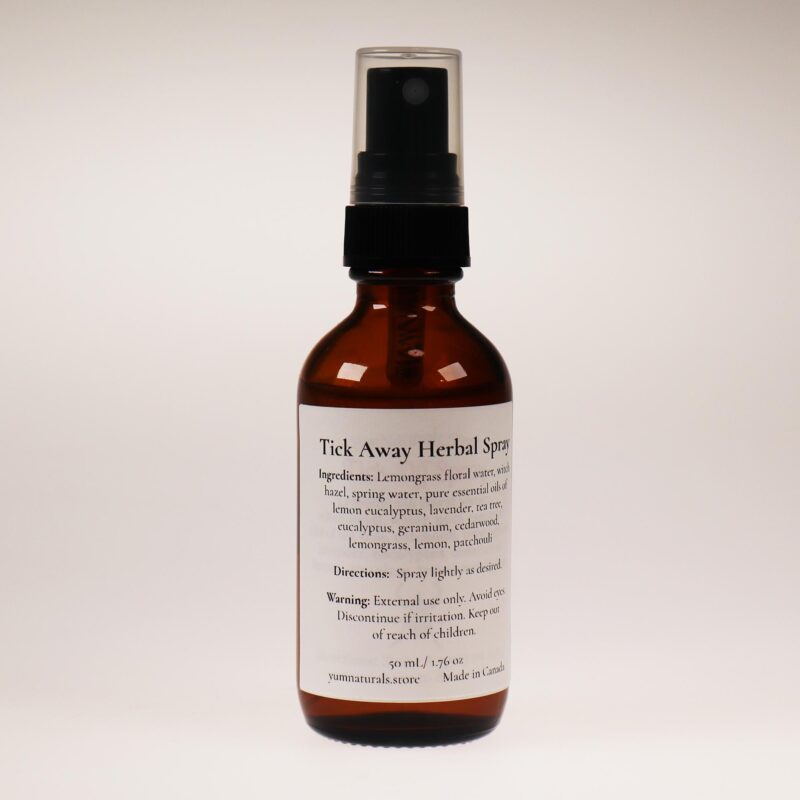
A significant and growing area of interest is the use of Rock Rose to protect against ticks. When you drink Rock Rose tea regularly, its compounds circulate throughout your tissues and may alter your natural body odour in ways that make you less attractive to ticks. Similar effects have long been observed with herbs such as garlic and brewer’s yeast. Many herbalists, foragers, hunters, and outdoor enthusiasts use Rock Rose as part of their tick prevention strategy while also benefiting from its powerful antioxidant, tissue-supportive, and inflammation-modulating properties. Brew as a tea (see above) and drink 2 to 4 cups per day; use alone or in conjunction with external, topical use during hiking, camping, gardening, hunting, and outdoor work:
How to Brew for topical use against ticks:
- Add 1 tablespoon to 500 ml boiling water
- Steep covered for 20 minutes
- Strain, cool, and use as a topical rinse or spray
- If not using immediately, refrigerate and use within 3 days
How to Use:
- Spray cooled tea on clothing edges, ankles, legs, socks, wrists, and neck area, before going outdoors
- For pets: spray lightly onto the coat, avoiding eyes, nose, mouth, genitals, and irritated skin. Brush through and allow to dry naturally, or apply with a cloth to areas requiring additional support. Reapply before walks in tall grass or wooded areas
- Reapply every 2 to 4 hours during outdoor exposure, especially after heavy sweating, swimming, rain exposure, or prolonged contact with tall grass, brush, or wooded environments.