
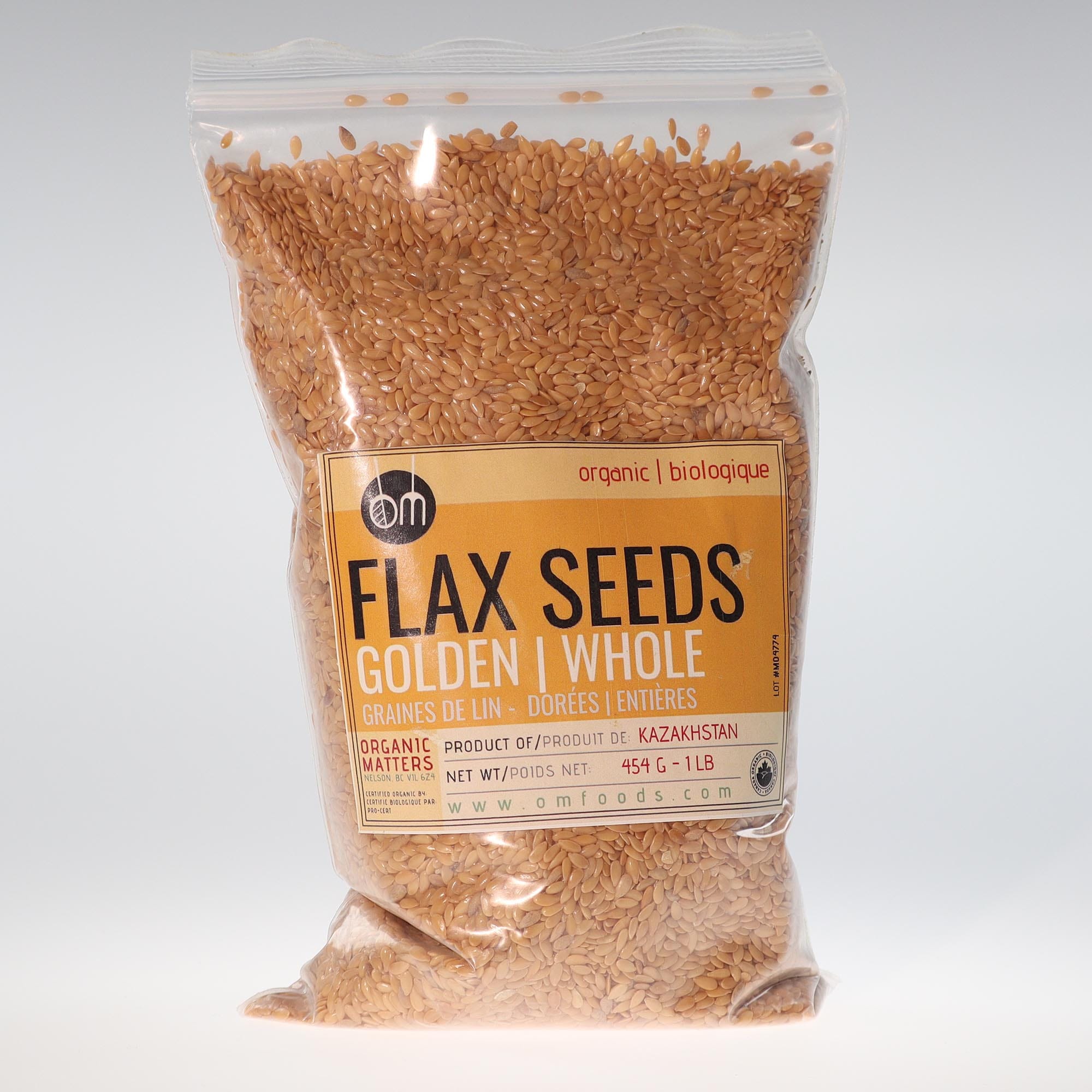
Product Description
Thought to have originated in Babylon over 3,000 years ago, flax seeds are one of the most sought-after seeds due to their nutritional properties. The plants are spun into linen fabric, which is why they are also sometimes named linseeds. According to the United States Department of Agriculture, a tablespoon of ground flaxseed (2018) contains:
- protein: 1.28 g (including the amino acids tryptophan, lysine, tyrosine, and valine)
- healthy fats: 2.95 g
- carbohydrate: 2.02 g (1.91 g, or 95%, of which is fibre – [Bjarnadottir, 2019])
- calcium: 17.8 mg
- magnesium: 27.4 mg
- phosphorus: 44.9 mg
- potassium: 56.9 mg
- folate: 6.09 micrograms (mcg)
- lutein and zeaxanthin: 45.6 mcg
- various vitamins and minerals in trace quantities
Flax seeds also contain lignans, which have powerful antioxidant and estrogen-analogous properties (they are similar enough to estrogen that they can bind to estrogen receptors, yet have a much milder effect, so can block out harmful estrogens). They have been shown to help reduce and manage menopausal hot flashes (Pruthi et. al, 2007), Flaxseed oil, fibers and flax lignans have potential health benefits such as in reduction of cardiovascular disease, atherosclerosis, diabetes, cancer, arthritis, osteoporosis, and neurological disorders, while flax protein helps in the prevention and treatment of heart disease (Goyal et. al, 2014). Flax contains up to 800 times more lignans than other plant foods (Magee, 2011). Flax lignans have shown promising effects in reducing growth of cancerous tumors, especially hormone-sensitive ones such as those of the breast (Calado, 2018), endometrium (Bandera et al, 2009), and prostate (Demark-Wahnefried et al, 2008). These power-packed shiny little seeds have even been shown to have a protective effect against radiation exposure (Pietrofesa et. al, 2013) The fibre in flax seeds is 20–40% soluble fibre (mucilage gums), and 60–80% insoluble fiber (cellulose and lignin) (Maza, 1989). Soluble fibre helps regulate blood sugar and cholesterol levels, and also is beneficial in binding toxins so that the body can expel them. It even promotes digestive health further by feeding beneficial gut bacteria (Kristensen et al, 2012) (Quigley, 2013), while insoluble fibre helps scrub out the bowels and ensures regular transit time. Human studies have shown that flaxseed can modestly reduce serum total and low-density lipoprotein cholesterol concentrations, reduce postprandial (after-meal) glucose absorption, decrease some markers of inflammation, raise serum levels of the omega-3 fatty acids, ALA and eicosapentaenoic acid (Bloedon & Szapary, 2004), and slightly reduce serum triglycerides (Prasad, 2009).
Gold vs Brown flax seeds: what’s the difference? The main difference between gold and brown flax seeds is that golden ones have a slightly higher content of polyunsaturated than monounsaturated fatty acids than brown ones (Hasa, 2021). Monounsaturated fats are Omega-9: they can be manufactured by the body and are common in foods (such as olive oil and avocados), whereas polyunsaturated fats cannot be made by the body (hence they are essential fatty acids) and are harder to find in foods. Therefore, given the option, golden flax seeds are superior, but any flax seeds will give you loads of nutritional benefits. You really can’t go wrong.
Flax seeds are also a well-known source of dietary fibre. According the flax expert and author Siegfried Gursche (1999), the fibre they contain is two thirds insoluble (which gives the bowels a cleansing scrub) and one third soluble (absorbs water, binds toxins and excess cholesterol, and stabilizes blood sugar levels). Flax has a unique mucilaginous quality when mixed with water which soothes the tissues it comes in contact with, making it beneficial for irritation and inflammation of the stomach, bowels, skin, and more.
There are several ways to use flax seeds: you can soak the whole seeds in water for at least an hour (or overnight); the resulting seedy gel can be drank alone or as part of a smoothie, or added to baked goods to provide moisture and binding similar to eggs (note that whole seeds are not suitable for anyone with diverticulitis). But the best way to access the nutrients in flax seeds is to grind them into powder or fine meal using a coffee grinder. This powder can then be added to drinks, smoothies, and moist foods such as cereal, oatmeal, porridge, apple sauce, or soups. (After being ground the delicate fatty acids can become rancid when exposed to air, light, or heat, so only grind as much as you need immediately and store any remainder in the fridge or freezer.)
Flax seeds also have a variety of topical uses: the powder or fine meal can be mixed with water to form a paste, and applied as a facial, or as a poultice (click on gallery pictures for instructions). The whole seeds can be sown into fabric to form a bean-bag like eye pillow or wrap for the neck or shoulders for a relaxing heaviness. Add dried lavender flowers to the seeds for a calming scent.
Botanical Name: Linum usitatissimum
Certified Organic
Origin: Canada / Kazakhstan
Storage: Store in a cool, dry, dark place in a well sealed container.
Reviews
There are no reviews yet.