
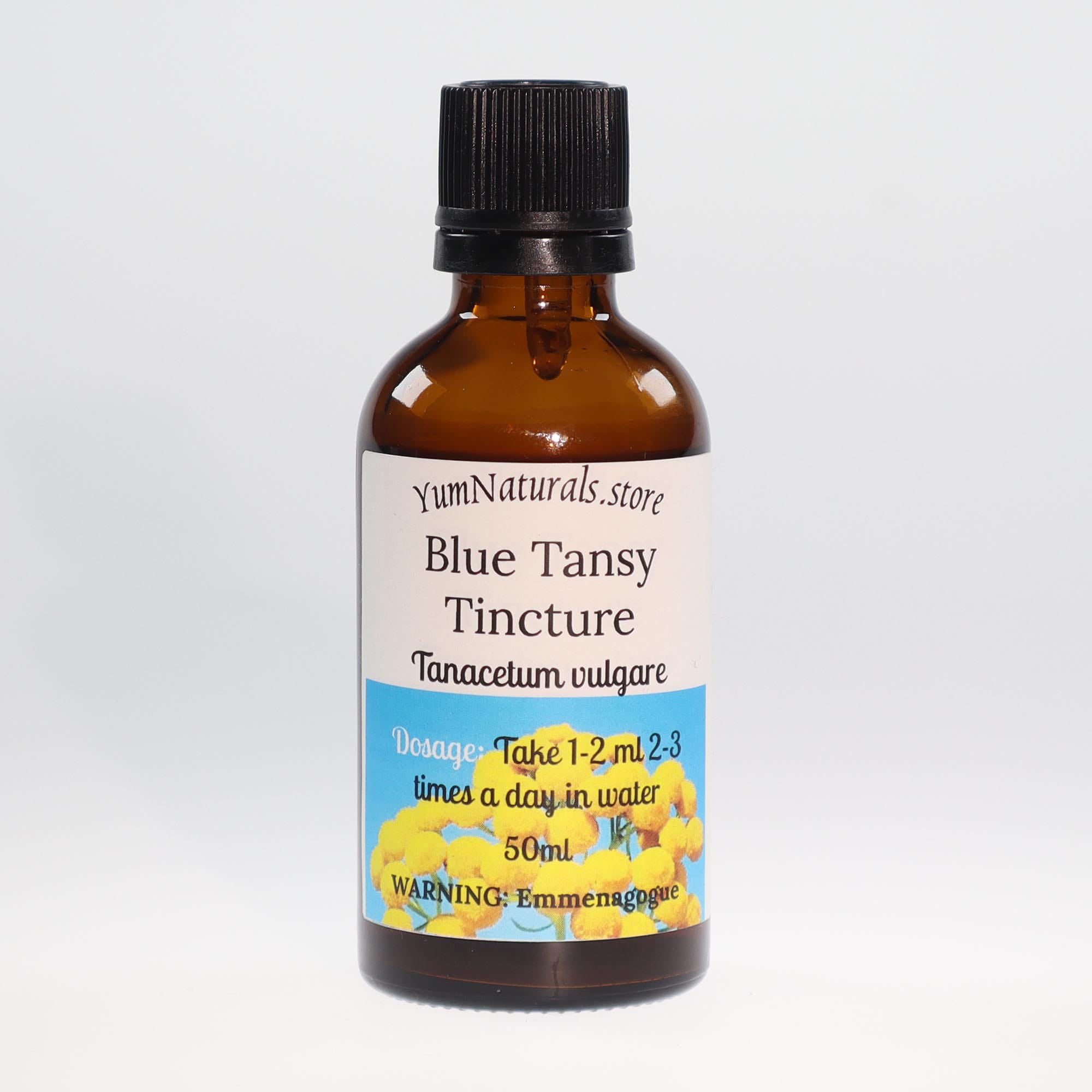
Product Description
The Medicinal Benefits of Tansy The following are the most common modern uses of tansy but please bear in mind that tansy is extremely toxic and be sure to consult an expert to verify the safest possible dosage. 1) Intestinal Worms One of the main historical uses of tansy was as a treatment for intestinal worms and some herbalists still use it for this purpose today. Because of its high thujone content, it is considered to be an especially effective remedy for various intestinal parasites. Unfortunately, its thujone content also makes it highly toxic and it is usually taken in lower doses in the form of a tea. 2) Digestion Tansy has carminative properties that can help improve general digestion and also deal with common digestive conditions like flatulence and dyspepsia. It has also been used to treat stomach ulcers, cramping, pain and gallbladder issues. Tansy is also regarded to be an effective appetite stimulant. 3) To stimulate menstruation Tansy is known to have potent emmenagogue properties. This means that it can help stimulate menstruation in women who suffer from irregular periods. Please not that it must never be used by women during pregnancy as it may also stimulate abortion. 4) Rheumatism and Arthritis Tansy was historically used to treat painful joint conditions like arthritis and rheumatism. It is also sometimes used to treat other types of pain like migraines, headaches, sciatica and nerve pain. 5) Kidney Stones There is no research to bear this out, but tansy might have some value in treating kidney illness and helping eliminate kidney stones. Some experts recommend that tansy is combined with nettles to make a tea that can be drunk several times a day. Again, be careful not to overdo your consumption, even in tea form as the long term use of moderate doses may also prove toxic. 6) Other Uses Tansy contains vitamin C and may help bolster your immune system and help relieve symptoms of seasonal detox illnesses. It can also be applied topically to the hair to destroy fungus and bacteria and to help kill lice. Some people apply it topically to the skin to help ease rashes, itching and clean up minor wounds but even the topical application of tansy is associated with the risk of sensitivity. Precautions: PLEASE READ
- Tansy is toxic to humans especially in large amounts.
- The long term use of smaller doses should also be avoided because the toxins can build up gradually over time and eventually lead to an overdose.
- Never consume tansy essential oil and do not drink more than a cup or two of tansy tea each day.
- Symptoms of poisoning include: – convulsions – uncontrolled uterine bleeding – muscle spasms – stomach inflammation or gastritis – an abnormally high or weak pulse rate
- Pregnant women and nursing mothers must avoid taking tansy.
- Dosing guidelines are extremely vague so always consult a doctor or expert before taking the herb.
(Source: Healthyfocus.org) Therapeutic Uses, Benefits and Claims of Tansy Historically, the most common medicinal use of tansy was as an abortifacient. It naturally stimulates blood flow to the pelvis and uterus (emmenagogue) and was used to bring on menstruation or abort an unwanted pregnancy. Tanacetum vulgare is an herbal remedy for treating worms as it contains a volatile oil with the active ingredients thujone, camphor and myrtenol, which are toxic to internal parasites. In the past, the herb was frequently used to treat worms in children and it was also added to coffins to slow the deterioration of the deceased by repelling worms. Today, it is most commonly used as a natural insect repellent and companion plant in vegetable gardens. However, the herb’s repellent nature has long been recognized. Tansy has been used externally as an herbal remedy for lice, fleas and scabies. In the Middle Ages, it was strewn across floors, hung from rafters and slipped under bed sheets to discourage pests. It contains the compound parthenolide, which is also found in feverfew and is thought to help in the prevention of migraines. When applied as a poultice, the herb is a natural treatment for skin infections and can be used to relieve sprains and reduce swelling. Other medicinal uses of tansy include the treatment of colic, gout and plague. Dosage and Administration Tansy contains a volatile oil with the active ingredient thujone, which can be toxic in the wrong dosage. The percentage of thujone in the oil is unpredictable as it varies greatly between plants. This variability seems to be related to genetic rather than environmental factors, which makes it very challenging to determine dosage. Each plant would need to be tested for thujone concentrations. As a tincture, tansy is usually administered 1-2 ml taken three times daily. Side Effects and Possible Interactions of Tansy Tansy should only be used in the hands of an expert as an incorrect dosage can be highly toxic, causing hallucinations, spasms, convulsions, and even death. In most cases, alternative herbal remedies exist. Due to its emmenagogue properties, it should not be taken while pregnant as it can lead to miscarriage. (Source: Thordur Sturluson, HerbalSupplementResource.com)
Reviews
There are no reviews yet.