Activation Milk Thistle Seed Oil – Perfect Press
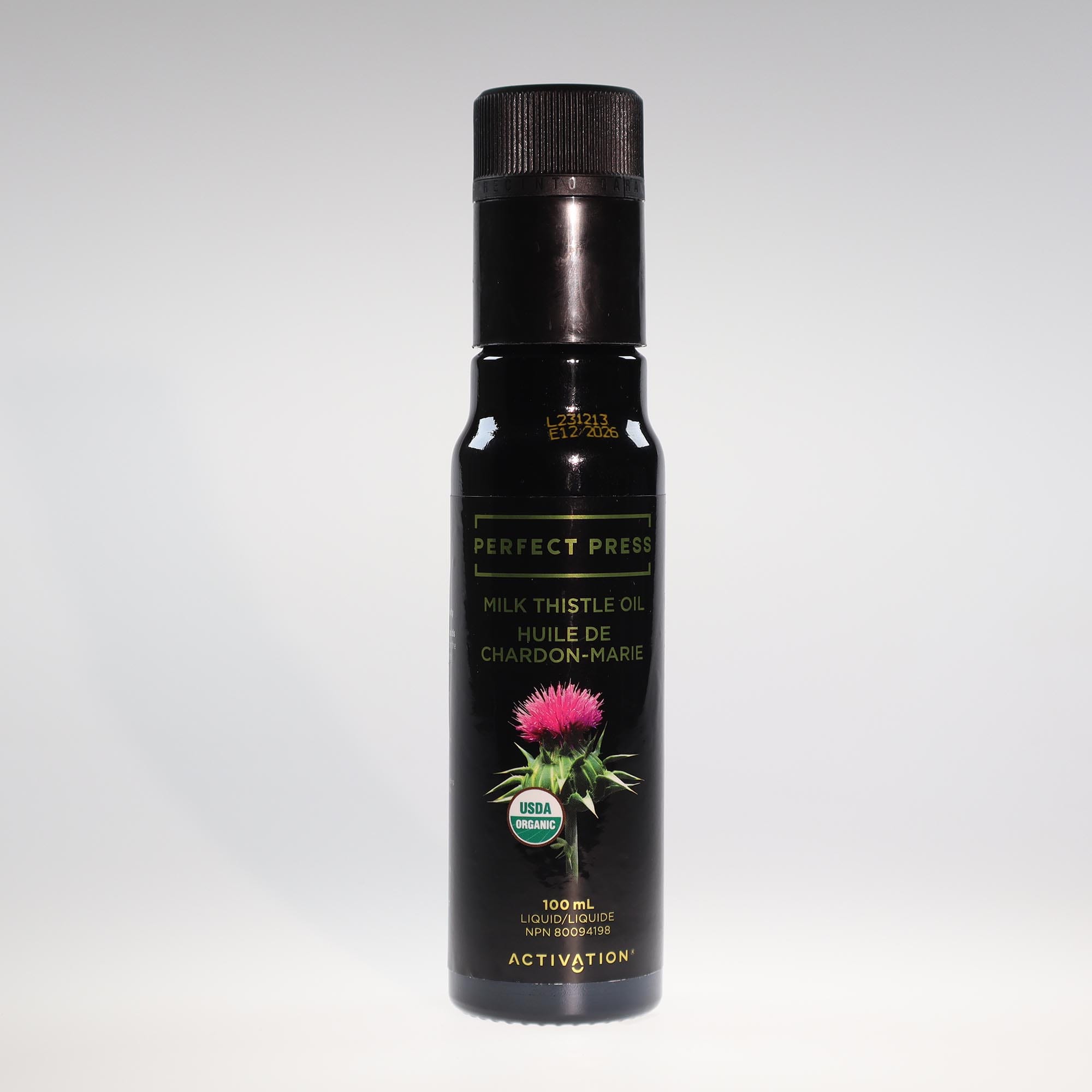
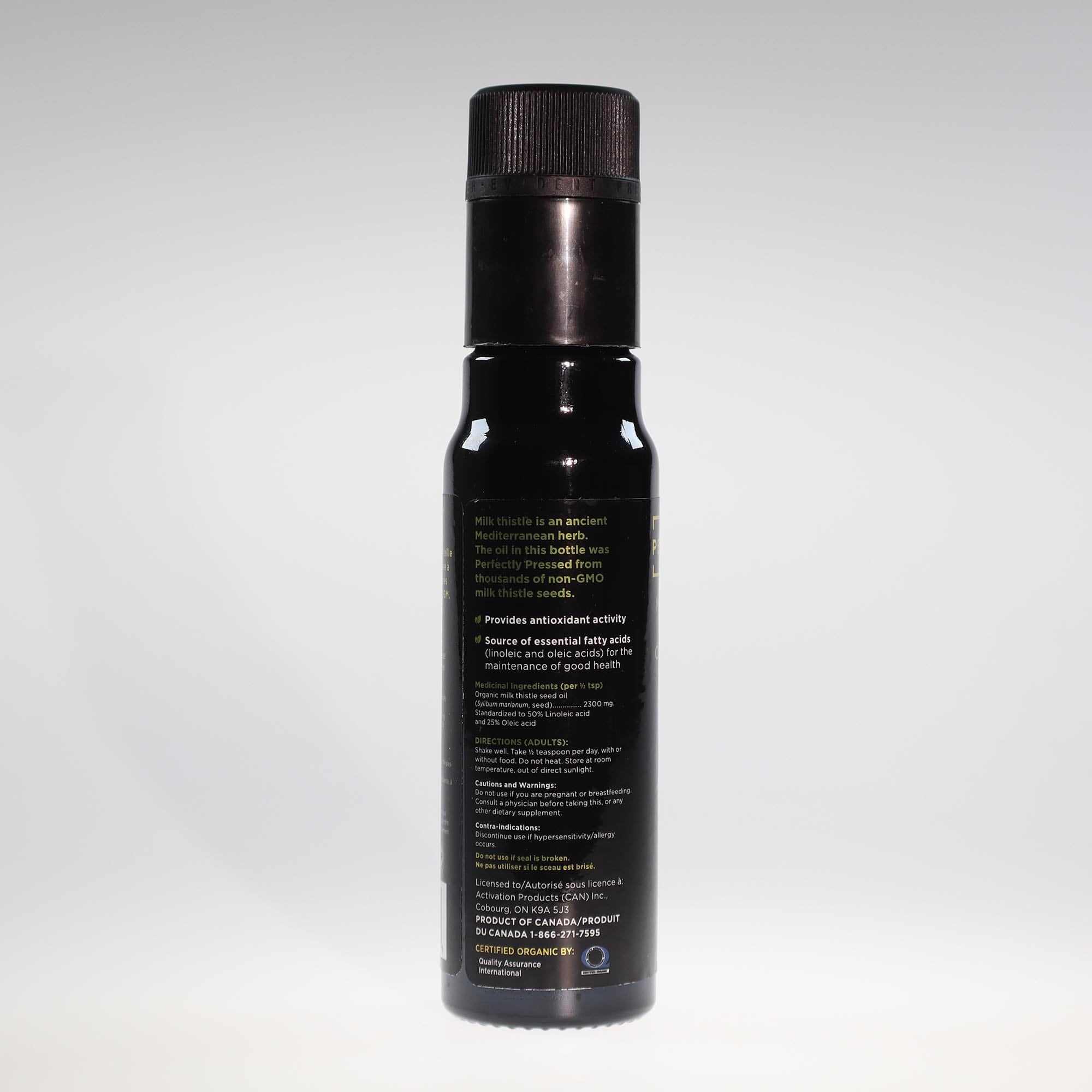
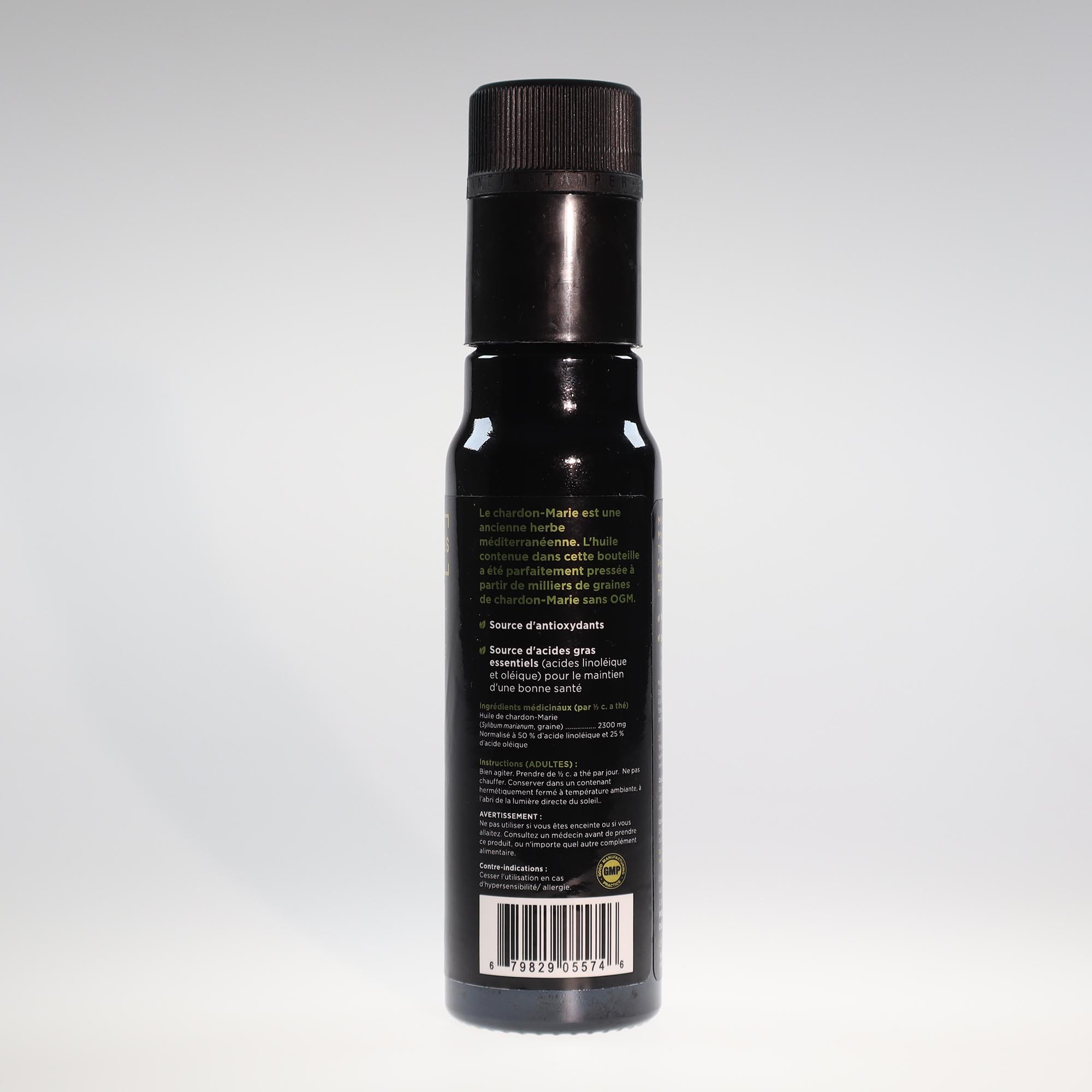
Milk thistle is best known for its long history of traditional herbal use, particularly in relation to liver health. But there’s another interesting side to this botanical: its seeds also contain an oil rich in unsaturated fatty acids and naturally occurring plant compounds. Activation Milk Thistle Seed Oil is made from organic milk thistle seeds (Silybum marianum) using the manufacturer’s Perfect Press technology. The resulting oil has a smooth, mildly malty character and is packaged in a UV-protective Miron glass bottle to help preserve freshness.
What Makes Milk Thistle Seed Oil Interesting?
Milk thistle seeds contain both an oil fraction and a group of botanical compounds collectively known as silymarin. These are distinct components of the seed, and their concentrations depend on the extraction method. Cold-pressed milk thistle seed oil is particularly interesting for its fatty acid composition, including omega-6 linoleic acid and omega-9 oleic acid, along with naturally occurring tocopherols and other minor plant constituents.
Research examining cold-pressed milk thistle oils has identified:
- Linoleic acid as the predominant fatty acid
- Oleic acid as another significant fatty acid
- Naturally occurring tocopherols, including alpha-tocopherol
- Phenolic compounds with antioxidant activity in laboratory testing
- Variation in composition depending on seed origin and extraction conditions
These characteristics make milk thistle seed oil an interesting addition to the wider family of plant-derived dietary oils.
Understanding the Fatty Acids
Omega-6 – Linoleic Acid
Linoleic acid is an essential polyunsaturated fatty acid that the body cannot produce in sufficient quantities and must obtain through food. It participates in normal cellular membrane structure and is important for maintaining healthy skin and other physiological functions. Although omega-6 fatty acids are sometimes broadly associated with inflammatory processes, linoleic acid is an essential nutrient and should not automatically be regarded as inflammatory.
Omega-9 – Oleic Acid
Oleic acid is a monounsaturated fatty acid also found in olive oil, avocados and many nuts and seeds. It contributes to the fatty acid profile of numerous dietary oils. Unlike linoleic acid, oleic acid is not considered essential because the body can synthesize it.
Milk Thistle, Silymarin and the Difference Between Oil and Extract
Milk thistle (Silybum marianum) has been investigated extensively for its naturally occurring flavonolignans, collectively called silymarin. Silymarin includes compounds such as silybin, silychristin and silydianin, which have been examined for their antioxidant properties and potential biological activities. However, there is an important distinction between cold-pressed milk thistle seed oil and standardized milk thistle extracts.
Many studies investigating liver-related effects use concentrated silymarin extracts rather than the oil obtained through pressing the seeds. The amount of silymarin that transfers into the oil depends on processing conditions. Consequently, research findings involving standardized extracts cannot automatically be applied to milk thistle seed oil. This distinction is worth understanding when comparing different milk thistle products, since their botanical source may be the same while their chemical composition differs considerably.
Research on Milk Thistle Seed Oil
Research published in 2017 (Meddeb et al, 2017) examined cold-pressed milk thistle seed oils obtained from different growing regions in Tunisia. The researchers identified linoleic acid as the principal fatty acid, accounting for approximately 57–60% of the oils analyzed. Oleic acid represented approximately 15.5–22.4%. The study also identified alpha-tocopherol and several phenolic compounds, with differences between samples depending on their origin.
A 2023 (Liu and Zhang, 2023) study compared milk thistle oils produced using different extraction methods, including cold pressing and enzyme-assisted extraction. The researchers found differences in tocopherol concentrations, phenolic compounds, flavonoid content and antioxidant activity depending on the extraction method. This demonstrates why processing conditions can influence the composition of the finished oil.
Further research published in 2026 (Atik et al, 2026) examined the composition and quality characteristics of cold-pressed milk thistle seed oil, again identifying linoleic acid as a major component.
The Perfect Press Difference
Activation Products describes Perfect Press as a specialized pressing method developed to extract oils from seeds while minimizing exposure to damaging processing conditions. Unlike conventional solvent extraction, this approach is intended to produce seed oil without added chemical extraction solvents. The manufacturer identifies the finished product as pure milk thistle seed oil without additional fillers or additives.
Why Miron Glass?
Milk thistle seed oil contains polyunsaturated fatty acids that can undergo oxidation when exposed to unfavourable storage conditions. Activation packages the oil in UV-protective Miron glass, designed to limit exposure to ultraviolet light. Protective packaging and appropriate storage help maintain the oil’s quality, although no packaging method can completely eliminate oxidation or guarantee the prevention of rancidity.