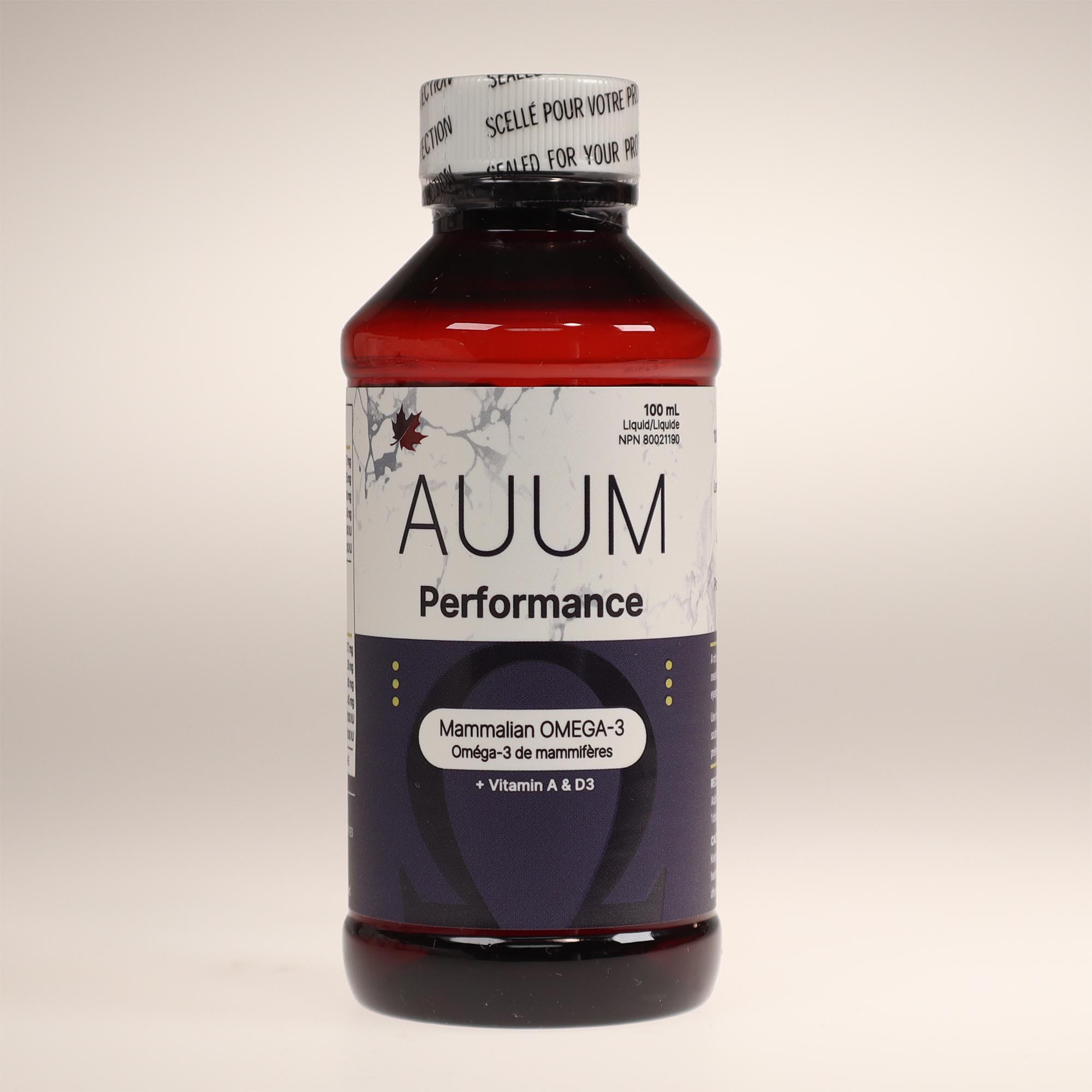
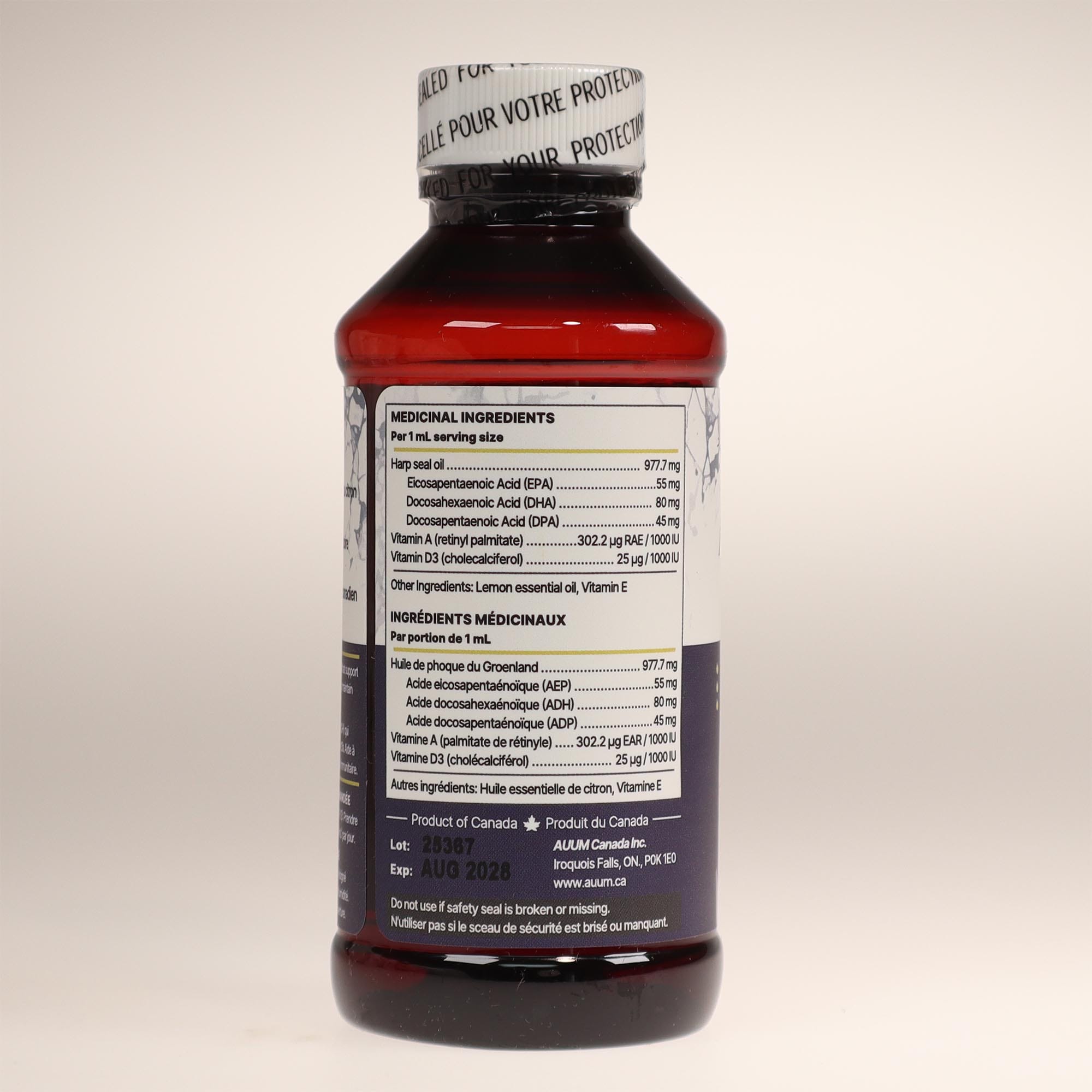
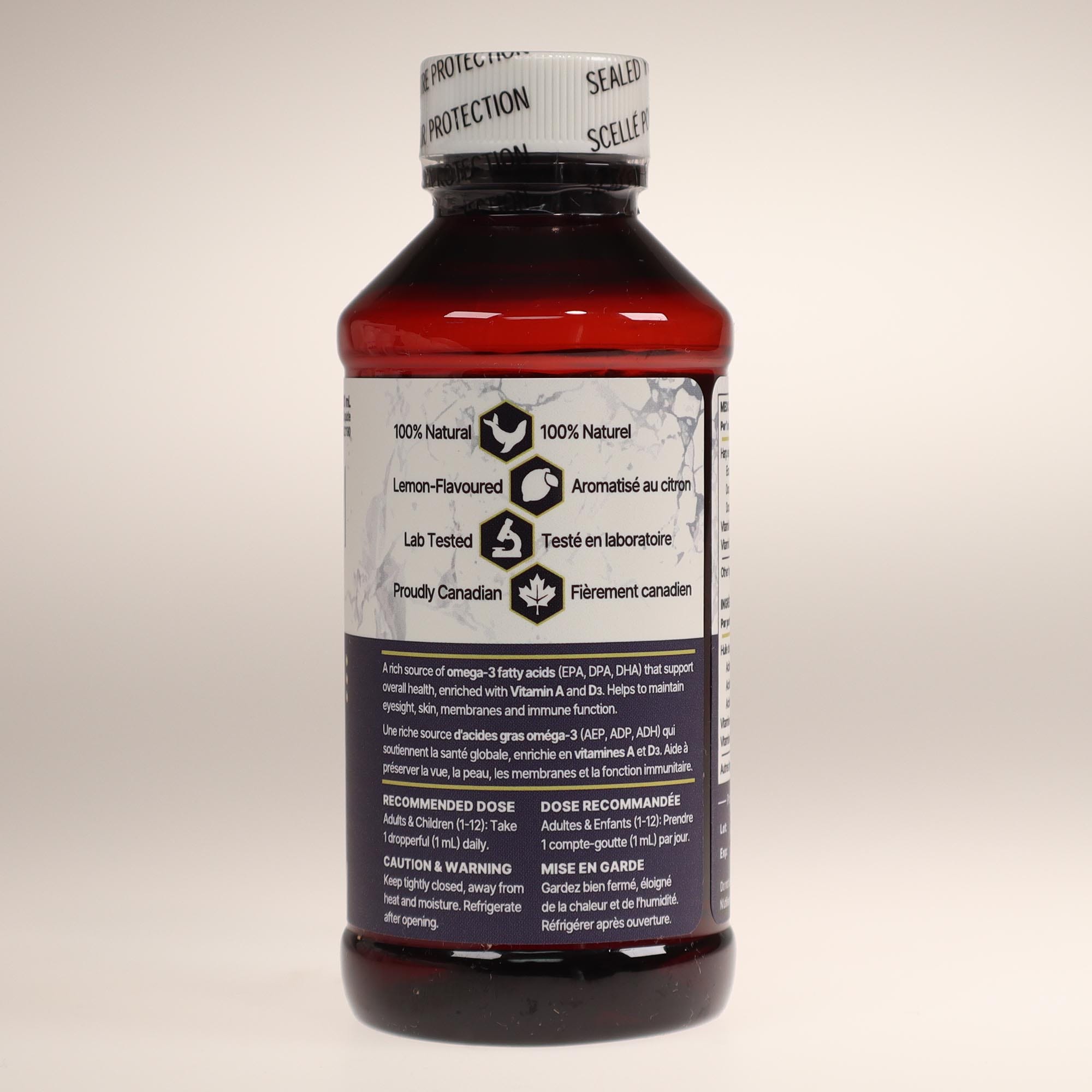
AUUM Performance (formerly AUUM NeuroPerformance)…
provides all three omega-3 fatty acids—EPA, DHA and DPA—from harp seal oil, offering a broader omega-3 profile than fish oil supplements that contain predominantly EPA and DHA.
EPA (Eicosapentaenoic Acid), DHA (Docosahexaenoic Acid), and DPA (Docosapentaenoic Acid) are three important long-chain omega-3 fatty acids that contribute to various aspects of human health. Although they share certain biological functions, each has distinct characteristics and roles within the body.
- Eicosapentaenoic Acid (EPA) plays an important role in the body’s normal inflammatory response and cardiovascular function. Research has examined its ability to help manage triglyceride levels and its involvement in cellular signalling pathways associated with inflammation. EPA has also been studied for its potential influence on mood and emotional well-being, particularly in relation to the body’s regulation of inflammatory processes and neurotransmitter activity.
- Docosahexaenoic Acid (DHA) is a major structural component of the brain, retina, nervous system and cell membranes. It contributes to normal cognitive and visual function and is particularly important during brain and eye development. Research continues to explore DHA’s involvement in memory, learning, neuronal communication and the maintenance of neurological health throughout life.
- Docosapentaenoic Acid (DPA) is a lesser-known omega-3 fatty acid found in particularly notable concentrations in marine mammal oils, including harp seal oil, although it is also present in fish and other animal-derived foods. DPA has attracted growing scientific interest for its potential roles in cardiovascular health, normal inflammatory processes and neurological function. Emerging research has investigated its involvement in neuronal development, synaptic plasticity (the ability of nerve cells to strengthen or modify their connections) and the maintenance of healthy brain function. While these findings are promising, research on DPA remains less extensive than that on EPA and DHA, particularly in human clinical studies.
The AUUM Advantage
AUUM Performance combines the omega-3 fatty acids EPA, DHA and DPA from harp seal oil with vitamins A and D3 in a convenient lemon-flavoured liquid formula.
One of AUUM’s distinguishing features is its emphasis on sublingual (under-the-tongue) administration. The manufacturer recommends holding the oil beneath the tongue for approximately 60 seconds before swallowing. Research into sublingual vitamin D supplementation has produced encouraging results. A randomized, placebo-controlled trial comparing vitamin D3 capsules with sublingual spray found that both methods effectively increased blood vitamin D levels over six weeks, with comparable results between delivery methods.
Further Research:
https://pubmed.ncbi.nlm.nih.gov/31548595/
https://pubmed.ncbi.nlm.nih.gov/32143526/
Vitamin A: Vision, Skin and More
AUUM Performance contains vitamin A in the form of retinyl palmitate, a preformed vitamin A compound. Vitamin A is a fat-soluble nutrient essential to several normal physiological processes, including vision, immune function, skin maintenance and cellular differentiation. Vitamin A contributes to:
- Maintenance of normal vision, including night vision
- Maintenance of healthy skin and mucous membranes
- Normal growth and cellular differentiation
Preformed Vitamin A vs. Beta-Carotene
Vitamin A can be obtained from two main dietary sources: preformed vitamin A, found primarily in animal-derived foods and certain supplements, and provitamin A carotenoids, such as beta-carotene, found in colourful fruits and vegetables. These two sources differ in how the body processes them.
Preformed vitamin A can be absorbed and converted into biologically active forms of vitamin A without first requiring conversion from a carotenoid. Beta-carotene, by contrast, must undergo enzymatic conversion before it can contribute to the body’s vitamin A supply. This distinction is particularly interesting because the efficiency of beta-carotene conversion varies considerably between individuals.
A review by Tang (Tang, 2010), examining human studies of dietary beta-carotene conversion, reported conversion factors ranging from approximately 3.6:1 to 28:1 by weight. In other words, depending on the food source and study conditions, substantially different amounts of beta-carotene were required to provide the equivalent of a given amount of preformed vitamin A.
Factors influencing conversion include the food matrix, preparation methods, dietary fat, individual nutritional status and genetic differences.
The Genetic Connection: BCO1 and Vitamin A
One particularly interesting aspect of vitamin A nutrition involves the BCO1 gene, also historically referred to as BCMO1. This gene is involved in producing the enzyme beta-carotene 15,15′-monooxygenase, which helps convert beta-carotene into retinal, an important intermediate in vitamin A metabolism. Research has identified genetic variants that influence the activity of this enzyme. Consequently, some individuals convert dietary beta-carotene into vitamin A less efficiently than others. The implications are particularly relevant when considering dietary patterns that rely heavily on plant-derived carotenoids for vitamin A.
Reboul (Reboul, 2019) reviewed the mechanisms governing carotenoid absorption and metabolism, including the influence of genetic variation on these processes. This does not mean that vegetables are poor sources of nutrition or that everyone requires preformed vitamin A supplementation. Rather, it highlights the complexity of vitamin A metabolism and the importance of considering individual differences in nutrient utilization.
The Zinc and Vitamin A Connection
Zinc is an essential trace mineral involved in numerous enzymatic processes, including those associated with vitamin A metabolism. The relationship between zinc and vitamin A is particularly interesting because adequate zinc status contributes to the body’s ability to transport and utilize vitamin A. For example, the conversion of retinol into retinal involves zinc-dependent retinol dehydrogenase enzymes. Zinc status may also influence the synthesis and function of retinol-binding proteins, which participate in transporting vitamin A through the bloodstream to tissues where it is needed.
A scientific review by Christian and West (1998) examined these interactions and described how zinc status can influence vitamin A absorption, transport and utilization. This relationship illustrates why vitamins and minerals are best understood as part of an interconnected nutritional system rather than as isolated substances.
For individuals interested in maintaining adequate zinc intake, YumNaturals also carries Doctor’s Choice Zinc Picolinate. Additional zinc supplementation is not automatically necessary when taking vitamin A; individual dietary intake and supplementation needs should be considered.
Further Research:
Smith (1980), research on the relationship between zinc and vitamin A metabolism – https://pubmed.ncbi.nlm.nih.gov/6786155/
Vitamin D3: More Than the Sunshine Vitamin
Vitamin D3, also known as cholecalciferol, is a fat-soluble vitamin that the body can produce when skin is exposed to sufficient ultraviolet B (UVB) radiation from sunlight. Vitamin D is especially well known for its role in calcium and phosphorus metabolism, but it also contributes to several other aspects of normal physiology. Vitamin D contributes to:
- Normal absorption and utilization of calcium and phosphorus
- Maintenance of healthy bones and teeth
- Normal muscle function
Vitamin D is particularly relevant in northern regions, where seasonal changes in sunlight exposure can influence the body’s ability to produce sufficient vitamin D through the skin. For this reason, dietary vitamin D intake and supplementation may be especially relevant during periods of limited sun exposure. AUUM Performance provides vitamin D3 alongside its marine omega-3 fatty acids and vitamin A.
Vitamin D and Calcium Absorption
One of vitamin D’s best-established functions involves helping the intestines absorb calcium from the diet. Calcium is required for normal bone mineralization, muscle contraction, nerve signalling and other physiological processes. Vitamin D also participates in maintaining appropriate calcium and phosphorus concentrations in the blood, helping support both skeletal health and normal cellular function. When vitamin D status is insufficient, the body’s ability to absorb dietary calcium can be reduced.
Further Research:
Aloia et al. (2014), research on vitamin D and calcium absorption – https://pubmed.ncbi.nlm.nih.gov/24335055/
The Vitamin K Connection
Vitamin D and vitamin K are both fat-soluble vitamins with important roles in bone metabolism. Although they perform different functions, research has explored how their activities complement one another. Vitamin D supports calcium absorption and helps regulate calcium and phosphorus metabolism. Vitamin K is required for the activation of several vitamin K-dependent proteins, including osteocalcin and matrix Gla protein. Osteocalcin is associated with bone metabolism, while matrix Gla protein participates in the regulation of mineralization in soft tissues, including blood vessels. This is an especially interesting relationship because vitamin D influences the production of certain vitamin K-dependent proteins, while vitamin K is needed for their normal activation.
What Does the Research Say About Vitamins D and K Together?
A 2020 meta-analysis by Kuang and colleagues (Kuang et al., 2020)examined eight randomized controlled trials involving 971 participants. The researchers reported that combined vitamin D and vitamin K supplementation was associated with improvements in total bone mineral density and changes in markers of vitamin K-dependent protein activity. These findings suggest that the interaction between vitamins D and K deserves attention in nutritional research. However, the results do not establish that everyone taking vitamin D needs a separate vitamin K supplement, or that vitamin D becomes harmful in the absence of additional vitamin K. Adequate intake of both nutrients remains an important part of balanced nutrition.
Further Research:
- Linus Pauling Institute, Oregon State University – Vitamin K – https://lpi.oregonstate.edu/mic/vitamins/vitamin-K
- van Ballegooijen et al. (2017), research on vitamin D and K interactions – https://pmc.ncbi.nlm.nih.gov/articles/PMC5613455/
Dietary Sources of Vitamin K
Vitamin K occurs in several forms: K1 (phylloquinone) is found primarily in green leafy vegetables, including kale, spinach and other leafy greens; K2 (menaquinones) occurs in certain fermented foods and animal-derived foods, including some aged cheeses and egg yolks. Different forms of vitamin K2 are also produced by microorganisms. Because AUUM Performance already contains vitamin D3, its contribution to total vitamin D intake should be considered before adding another vitamin D-containing supplement.
Individuals taking vitamin K-antagonist anticoagulants, such as warfarin, should consult their healthcare practitioner before making significant changes to vitamin K intake.
A Note About Fat-Soluble Vitamins
Vitamins A, D, E and K are fat-soluble vitamins, meaning they are absorbed and handled differently from water-soluble nutrients. Because preformed vitamin A and vitamin D can accumulate in the body, appropriate dosing is important. More is not necessarily better. When combining nutritional supplements, consider the total intake of overlapping vitamins and follow the recommended directions on each product’s label.
Recommended Adult Dose
1 tsp (5 mL) per day, held under the tongue for approximately 60 seconds before swallowing.
Safety / Important Information
Keep out of reach of children. Consult a healthcare practitioner before use if pregnant or breastfeeding, taking prescription medications, or managing a medical condition. Contains preformed vitamin A and vitamin D3. Avoid combining with high-dose vitamin A or vitamin D supplements unless advised by a healthcare practitioner. Consult a healthcare practitioner before use if taking anticoagulant or antiplatelet medications. Do not use if allergic or hypersensitive to seal oil or any other ingredient. Do not use if the safety seal is broken or missing.
Storage
Refrigerate after opening and follow the storage instructions on the packaging.