Product Description
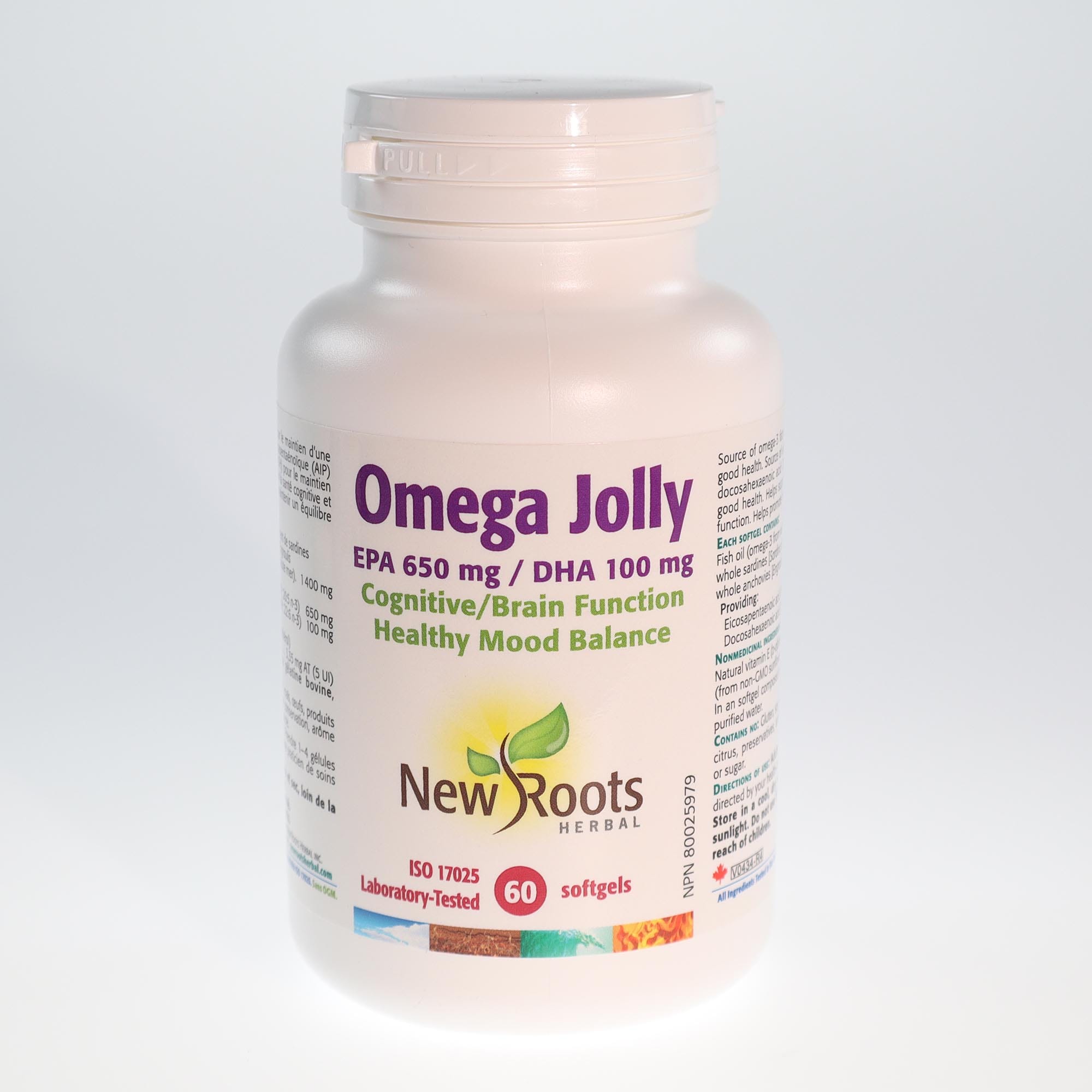
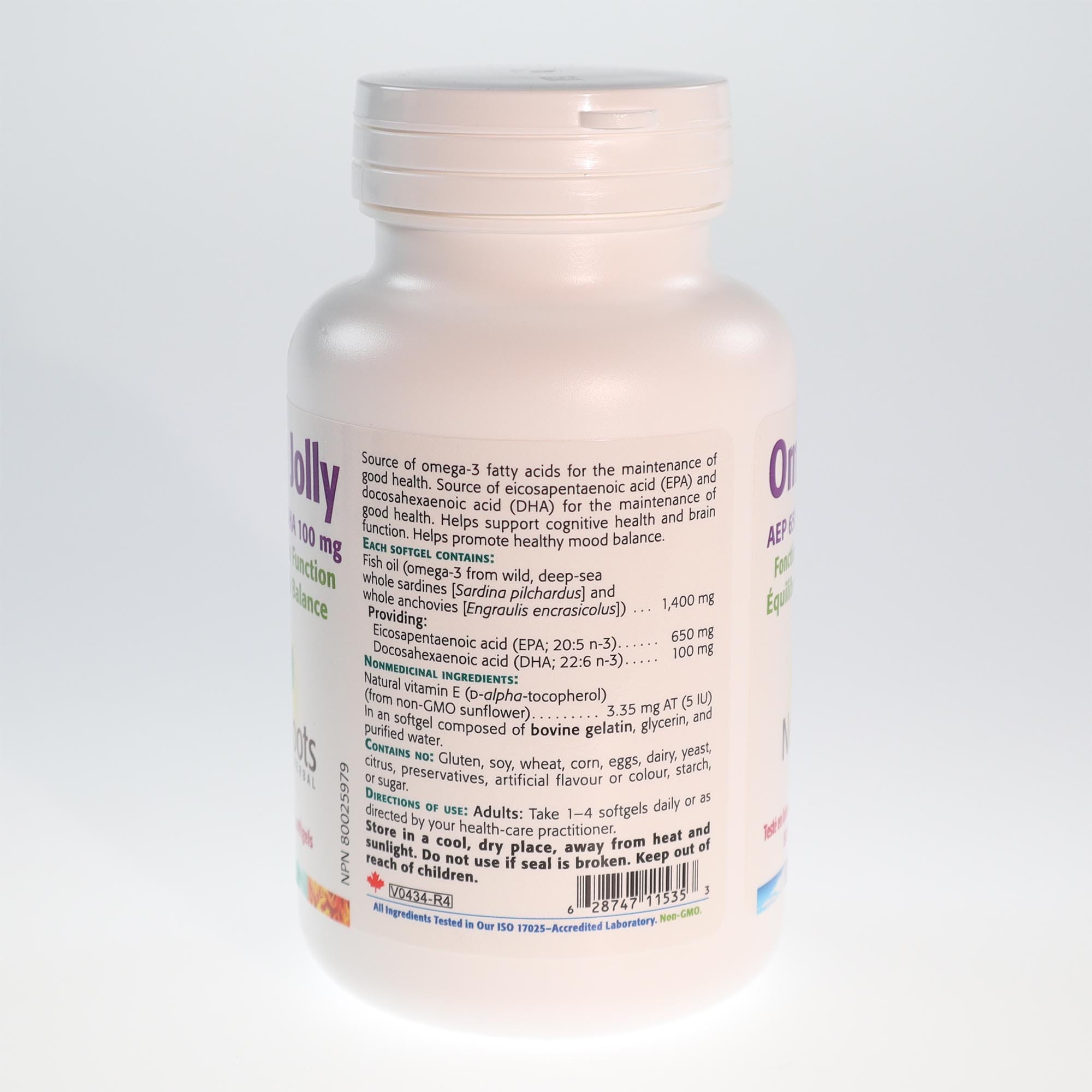
| Each softgel contains: | |
| Fish oil (omega-3 from wild, deep-sea whole anchovies [Engraulidae] and/or whole sardines [Clupeidae]) | 1,400 mg |
| Providing: | |
| Eicosapentaenoic acid (EPA; 20:5 n–3) | 650 mg |
| Docosahexaenoic acid (DHA; 22:6 n–3) | 100 mg |
| Other ingredients: | |
| Natural vitamin E (ᴅ-alpha-tocopherol) (from non-GMO sunflower) | 3.35 mg AT (5 IU) |
| In a softgel composed of bovine gelatin, glycerin, and purified water. | |
These fatty acids reduce inflammation, protect against the abnormal clotting associated with heart attacks. These omega-3 fatty acids differ structurally from omega-6 fatty acids.
We do know that fish oil can lower serum triglycerides. Like cholesterol, triglycerides are a type of fat in the blood that tends to damage the arteries, leading to heart disease. Reducing triglyceride levels should help prevent heart disease to some extent. Fish oil also appears to modestly raise the levels of HDL (“good”) cholesterol.
A further benefit shown from the consumption of fish oil is in the production of eicosanoid compounds; these compounds regulate the communication between cells. The species of eicosanoid produced from omega-3 fatty acids, as opposed to omega-6 fatty acids, seem to better regulate responses such as the body tissues’ response to injury or disease.
Fish oil appears to be safe. The most common complaint is fishy burps. Fish oil should not be combined with powerful blood-thinning medications, such as coumadin (warfarin) or heparin, except on the advice of your health-care practitioner.