
Product Description
How would you like to roll back the age of your brain by 7.5 years? (Lopresti & Smith, 2025) This is what a 6-week randomized, double-blind, placebo-controlled trial revealed, when participants took a supplement that was 79% magnesium threonate (Zhang et al, 2022). Granted, the other ingredients in the formula (vitamins C, B6, D, and phosphatidylserine) no doubt contributed to this effect, but the bulk of the supplement WAS magnesium threonate, and this unique form of magnesium has been found again and again to come out ahead of the rest in its cognitive, sleep, and neurological benefits, while also still providing the many therapeutic effects you see from any magnesium supplement, including energy production, bone and muscle health, DNA and RNA synthesis, calcium and potassium ions transport across cell membranes, which is important for nerve impulse conduction, muscle contraction, and normal heart rhythm (NIH, January 6, 2026)
For example, a 2024 randomized placebo-controlled trial (Hausenblas et al, 2024) found that magnesium threonate improves sleep quality and daytime functioning in adults with sleep problems. The success rate is attributed to the specific brain bioavailability and effects on cognition, memory and mood that the threonate form of magnesium has. Those taking the magnesium threonate scored better in these objective measures of sleep quality than the placebo/ control group:
- deep sleep score
- REM sleep score
- light sleep time
- activity and readiness score
Those taking the magnesium threonate scored better in these subjective (aka self-reported) areas vs the placebo/ control group:
- mood and behavior upon awakening
- energy
- daytime productivity and activity
- mental alertness
Other studies that revealed the benefits of magnesium threonate include:
- A 2010 study showed magnesium threonate increased brain magnesium and improved learning ability, working memory, short-term memory, and long-term memory
- A 2013/ 2014 study showed magnesium threonate reduced plaque, prevented synapse loss, and prevented/reversed memory decline
- A 2016 study found magnesium threonate (referred to as MMFS-01) provided significant overall improvement in cognitive performance relative to placebo
- A 2016 study reported use of magnesium threonate resulted in regulation of structural and functional synapse density
- A 2020 study on adults with ADHD revealed that magnesium threonate use improved relevant markers, including IQ performance
- A 2021 study magnesium threonate was reported as potentially beneficial for menopause-related chronic pain, memory, and mood-type changes
- A 2022 study revealed that magnesium threonate showed neuroprotective effects against oxidative-stress injury
- A 2023 study showed that magnesium threonate outperformed a placebo in reducing the need for opioid pain medication in patients with advanced cancer
- A 2024 study indicated long-term magnesium L-threonate supplementation had a protective effect linked to blood-brain-barrier integrity, reduced neuroinflammation, and reduced demyelination
Only 50 mg elemental magnesium?
You may notice that magnesium threonate often has a lower measure of elemental magnesium than other forms on the market. This is because although there are other factors at play such as dose and individual tolerance, there is generally an inverse relationship between bioavailability of magnesium and its laxative effect: the more poorly it is absorbed, the greater its laxative effect. For example, poorly absorbed versions such as magnesium sulfate and oxide have a greater laxative effect, whereas forms like magnesium threonate and bisglycinate are less likely to have a laxative effect at typical supplemental doses. This is because more unabsorbed magnesium remains in the intestinal tract, where it draws water into the bowel.
We see a real-life example in this 2019 study where measurable increases of magnesium concentration were found in both cerebral spinal fluid and blood serum at approximate doses of only 16–25 mg elemental magnesium from magnesium threonate per day. This kind result was NOT repeated in the control group receiving magnesium sulfate: a more poorly absorbed version. Although the magnesium sulfate was absorbed enough to increase blood serum levels of magnesium, it didn’t raise the cerebral spinal fluid’s levels in any meaningful way (Shen et al, 2019).
This confirms 2 things:
- you don’t need mega-doses of magnesium Threonate to have it make a difference (ours contains 50 mg elemental magnesium: more than double what they used in the above study)
- Magnesium Threonate goes deep, and has a special affinity for the cerebral spinal fluid, which can explain all its benefits for sleep, cognition, and related areas
Is Mag threonate ONLY good for sleep and neurological issues?
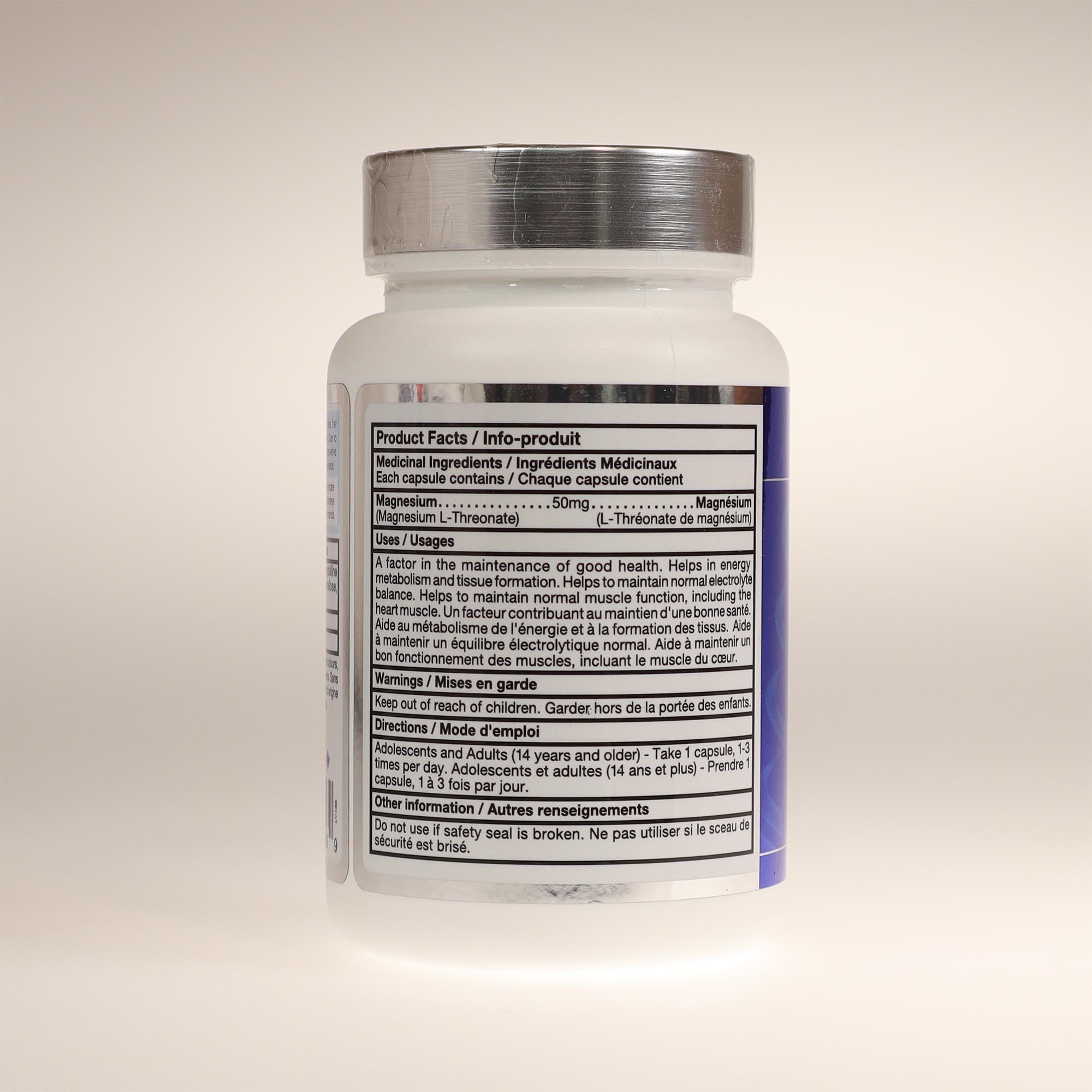
Keep in mind: just because Magnesium threonate has shown such great neurological benefits doesn’t mean it won’t do all the other things magnesium will do. Even the bottle’s conservative labeling admits that it:
- helps in energy metabolism and tissue formation
- helps to maintain normal electrolyte balance
- helps to maintain normal muscle function, including the heart
If magnesium’s laxative effect is what you’re looking for, bear in mind that at a high enough dose, any magnesium will provide this. Topical magnesium will also raise your overall magnesium status, and therefore help in this area. And for targeted magnesium to your muscles and your entire system, why not try our easy-to-use Zen Natural Magnesium Spray?
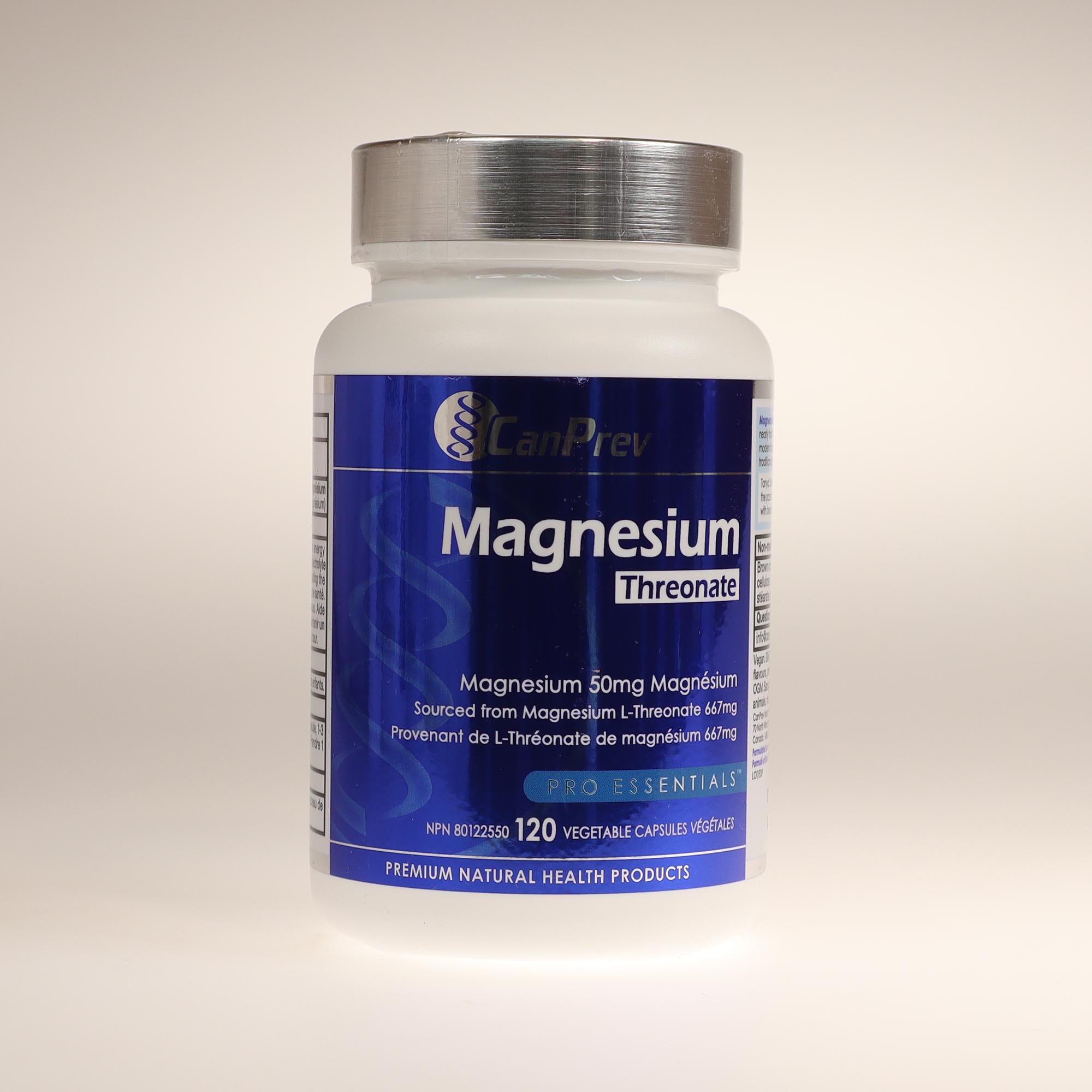
Each vegetarian capsule contains: 667 magnesium l-threonate (providing 50 mg elemental magnesium)
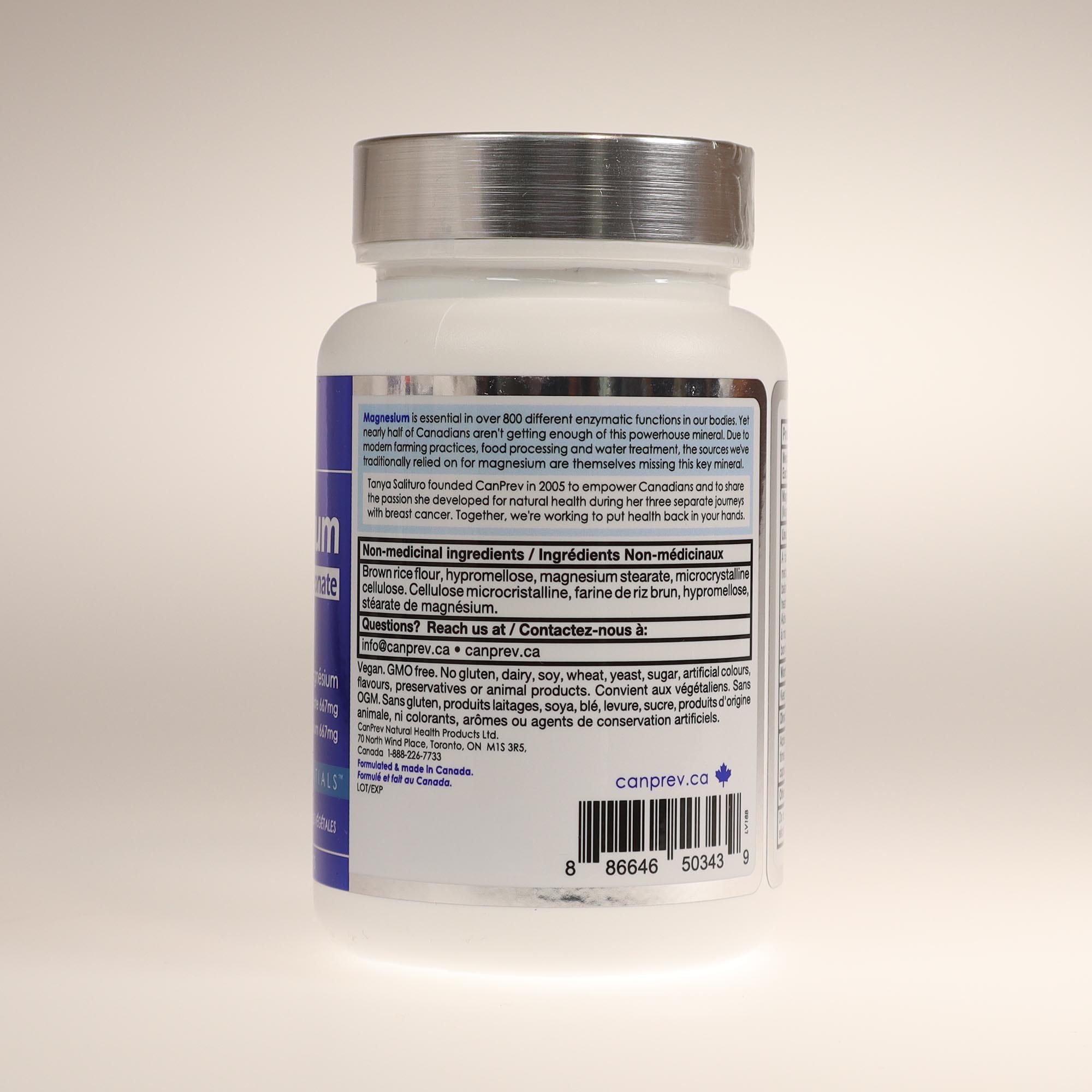
Non medicinal ingredients: Brown rice flour, hypromellose, magnesium stearate, microcrystalline cellulose.
Vegan, GMO-free, No gluten, dairy, soy, wheat, yeast, sugar, artificial colours, flavours, preservatives, or animal products.
120 capsules
Recommended Dosage: Adults: 1 capsule 1-3 times per day or as directed by a health care practitioner.
NPN 80122550


Reviews
There are no reviews yet.