
Understanding Homeopathy and Its Principles
Homeopathy is a system of alternative medicine developed more than 200 years ago by German physician Samuel Hahnemann. It is based on several foundational principles, including like cures like, the minimum dose, and the individualized selection of remedies.
Like Cures Like
One of the central principles of homeopathy is that a substance capable of producing certain symptoms in a healthy person may, when prepared homeopathically, be selected for someone experiencing similar symptoms.
For example, cutting an onion can cause burning, red, watery eyes and a runny nose. In traditional homeopathic practice, Allium cepa (the Latin name for onion) is sometimes selected when a person’s cold or allergy symptoms resemble those produced by exposure to an onion.
This approach is based on the homeopathic principle of symptom similarity, rather than on the conventional pharmacological actions of the original substance.
The Minimum Dose and Homeopathic Dilution
Another foundational principle of homeopathy is the use of highly diluted preparations.
Homeopathic remedies are traditionally prepared through successive stages of dilution and succussion, a process of vigorous agitation involving repeated shaking or impact. Succussion can be performed manually or with specialized mechanical equipment. Other techniques involving vibration or sonication have also been explored, although they are not necessarily interchangeable with recognized homeopathic preparation methods.
The degree of dilution depends on the remedy’s potency.
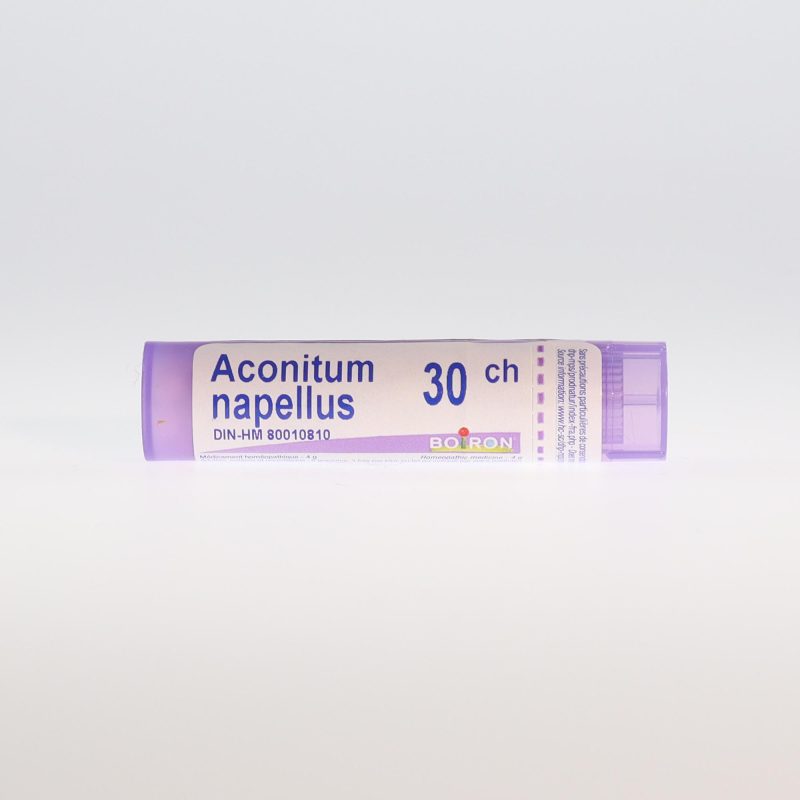
For example, Lac Felinum 30 CH is prepared according to the centesimal scale, in which each stage involves a 1:100 dilution followed by succussion. After 30 stages, the theoretical dilution is one part of the original substance in 10⁶⁰ parts of the final preparation.
At such extreme dilutions, the finished preparation would not ordinarily be expected to contain measurable quantities of the original source material.
The Concept of Information in Homeopathy
One of the most interesting, and scientifically debated, aspects of homeopathy concerns how its highly diluted preparations are believed to function.
Within homeopathic theory, some practitioners propose that successive dilution and succussion preserve information associated with the original substance, even when its molecules are no longer detectable. This concept is sometimes described in terms of an energetic imprint, information transfer or the memory of water.
Proponents suggest that this retained information may interact with the body’s own regulatory or healing processes.
However, these proposed mechanisms have not been scientifically established, and there is no reliable evidence demonstrating that water retains therapeutically meaningful information from substances diluted beyond molecular detection.
The concept remains part of homeopathic philosophy and ongoing debate rather than an accepted explanation within modern chemistry or pharmacology.
Individualized Homeopathic Remedy Selection
Classical homeopathy places considerable emphasis on the individual rather than simply matching a remedy to the name of a disease or condition.
In traditional homeopathic practice, remedy selection involves considering a person’s overall collection of symptoms and characteristics, including:
- What makes symptoms better or worse.
- Environmental influences, such as temperature, weather or time of day.
- The location of symptoms and whether they occur predominantly on one side of the body.
- Other physical symptoms occurring alongside the main complaint.
- Emotional characteristics, temperament and accompanying states of mind.
This detailed approach is intended to identify the remedy considered most closely aligned with the individual’s overall symptom picture, sometimes referred to as their constitutional profile.
When homeopathic principles are applied to animals, practitioners may similarly consider observable behaviour, temperament, physical characteristics and environmental responses. Such observations should not replace appropriate veterinary examination, diagnosis or treatment.
These principles provide historical and educational context for understanding how remedies such as Lac Felinum are traditionally classified and selected. They do not establish that a particular preparation has demonstrated therapeutic effectiveness for a specific health condition.